 Skip to content

Shop Lightweight Portable Welders
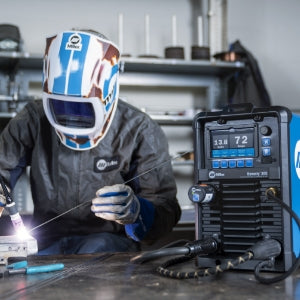
A portable welder is built to go where the work is: light enough to carry, flexible enough to plug into whatever power you can find, and in many cases ready to run off a generator. Three things actually make a welder portable, its weight, its input-voltage flexibility, and whether it will run on the power available at the jobsite. Whether you are a mobile welder working out of a truck or running a shop with limited power, this collection covers portable MIG, TIG, and stick machines from the brands IOC carries. Need to weld completely off-grid all day? Our engine drives are the better fit.


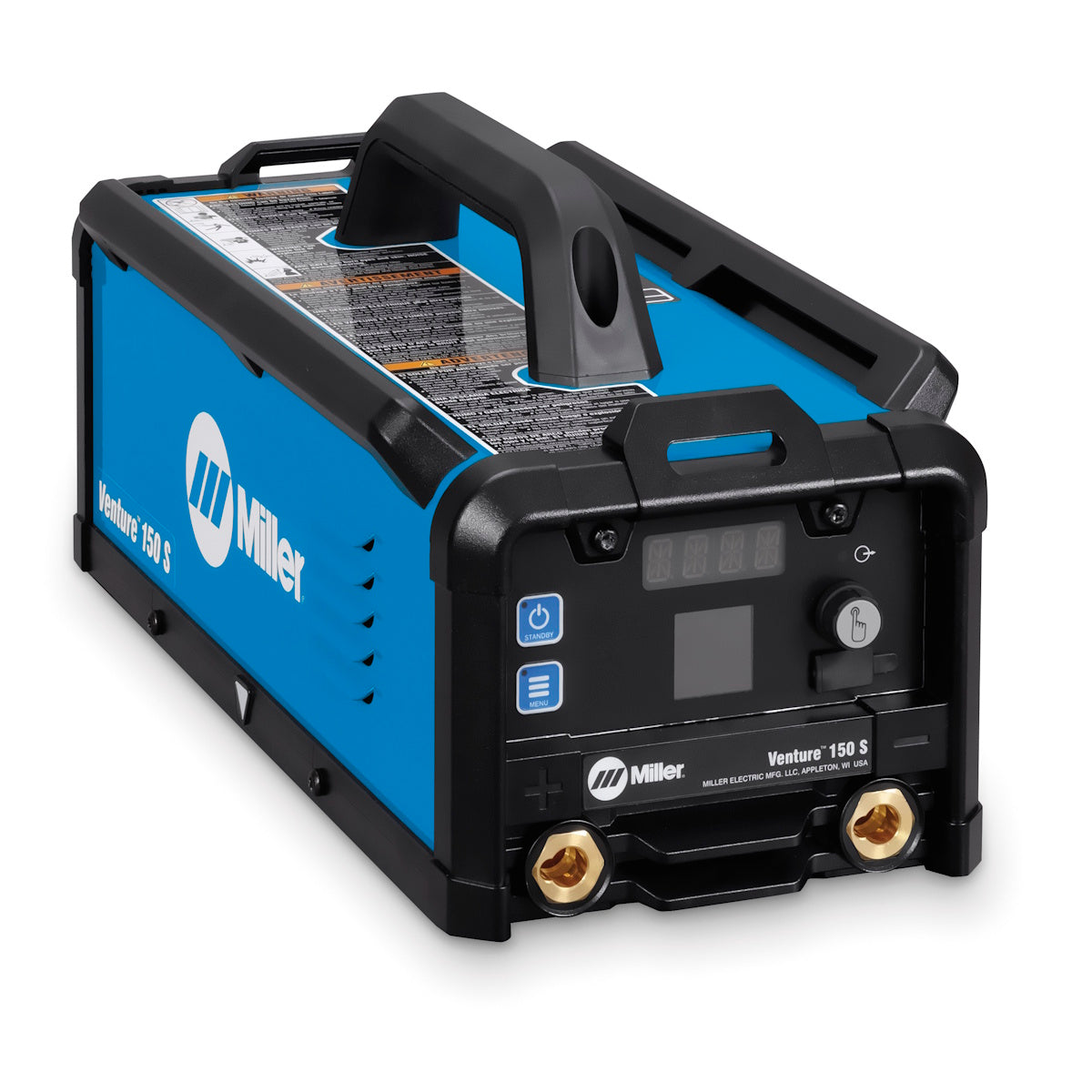
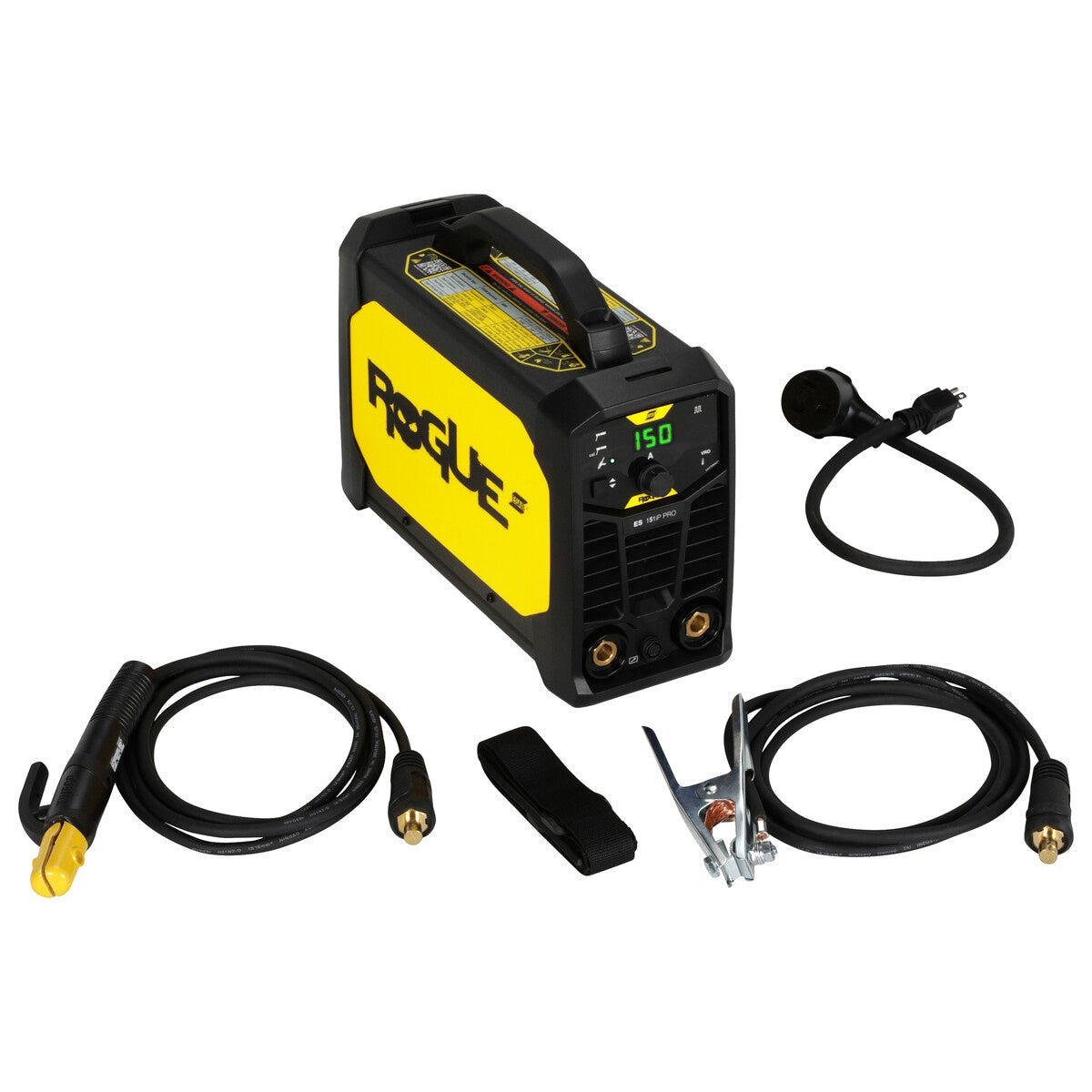
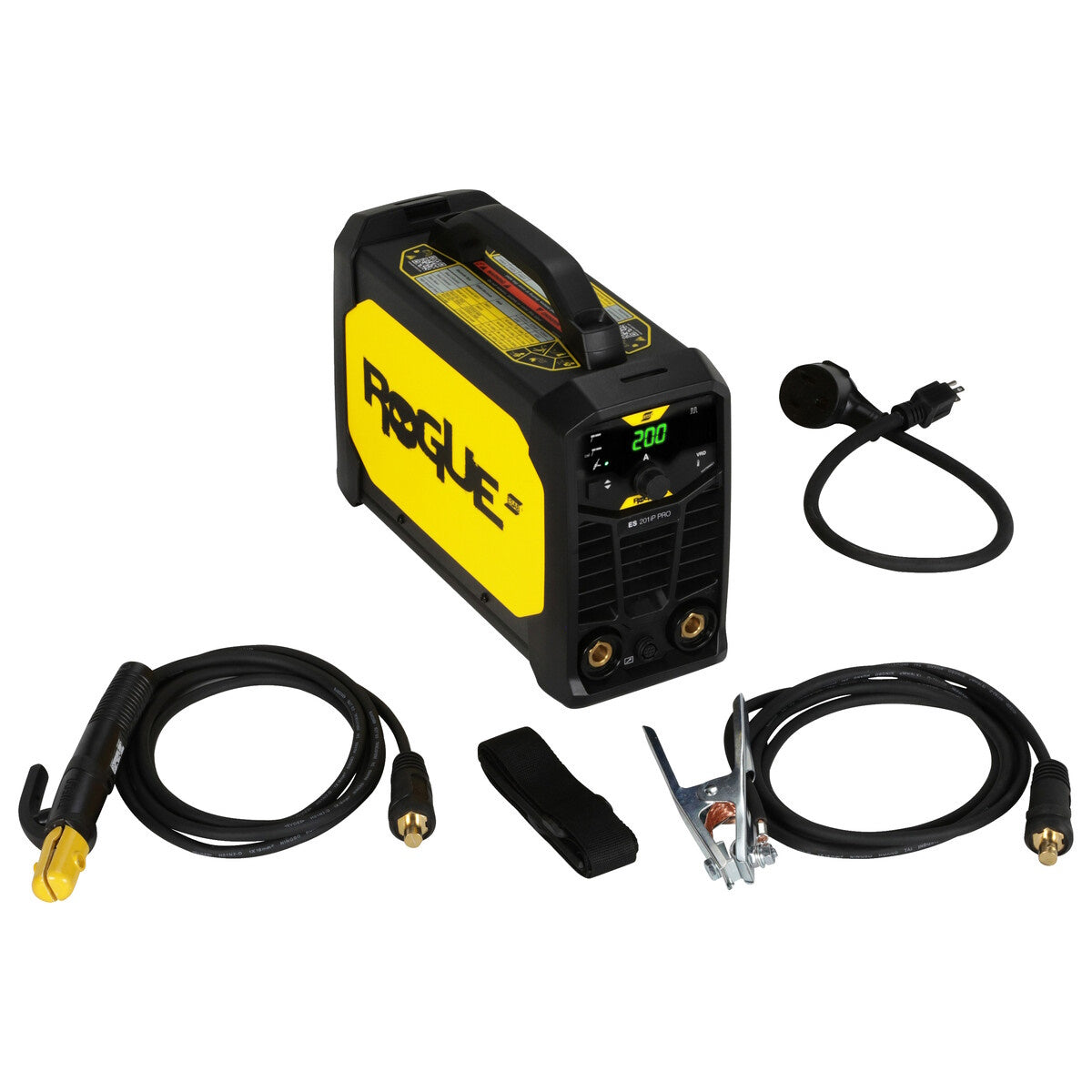
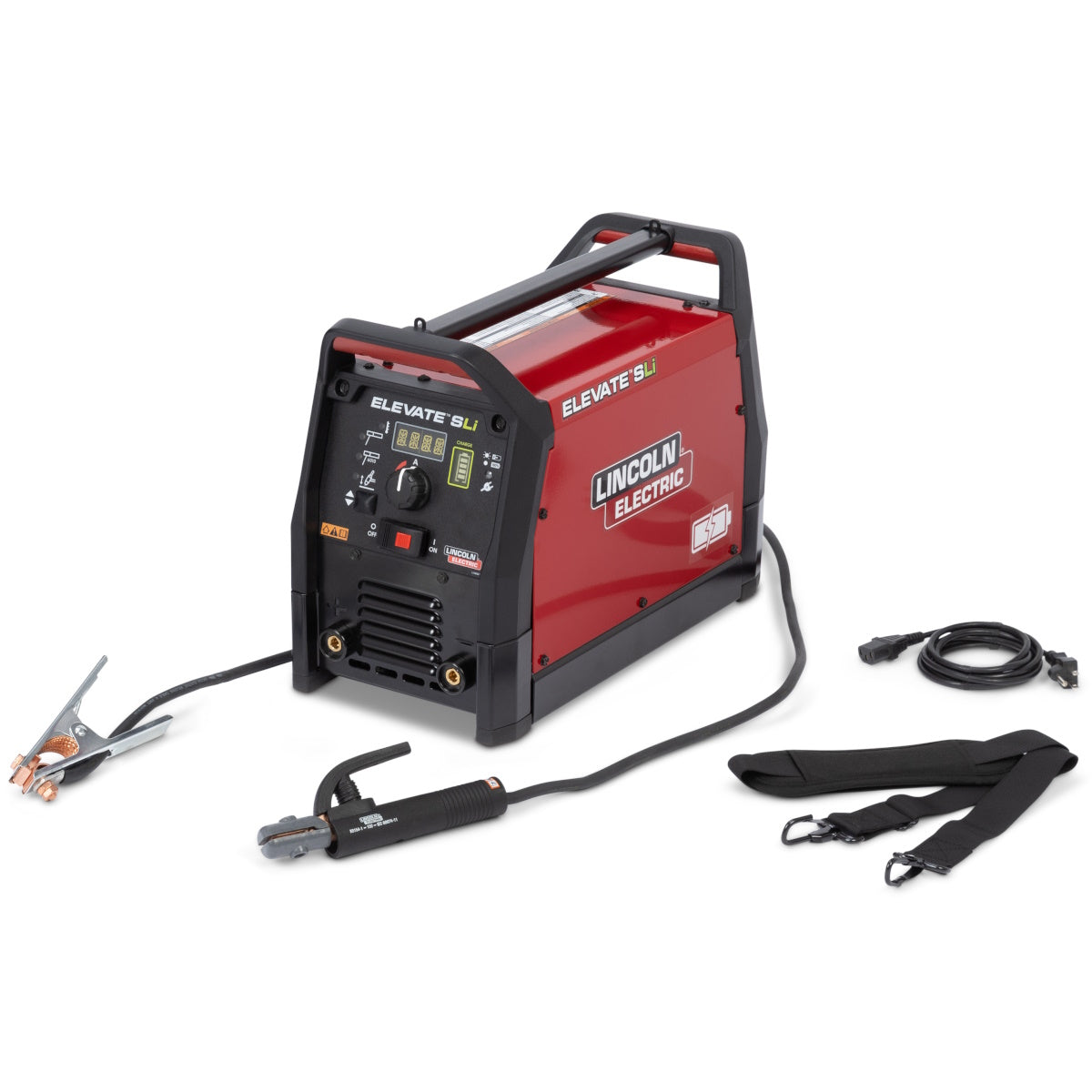
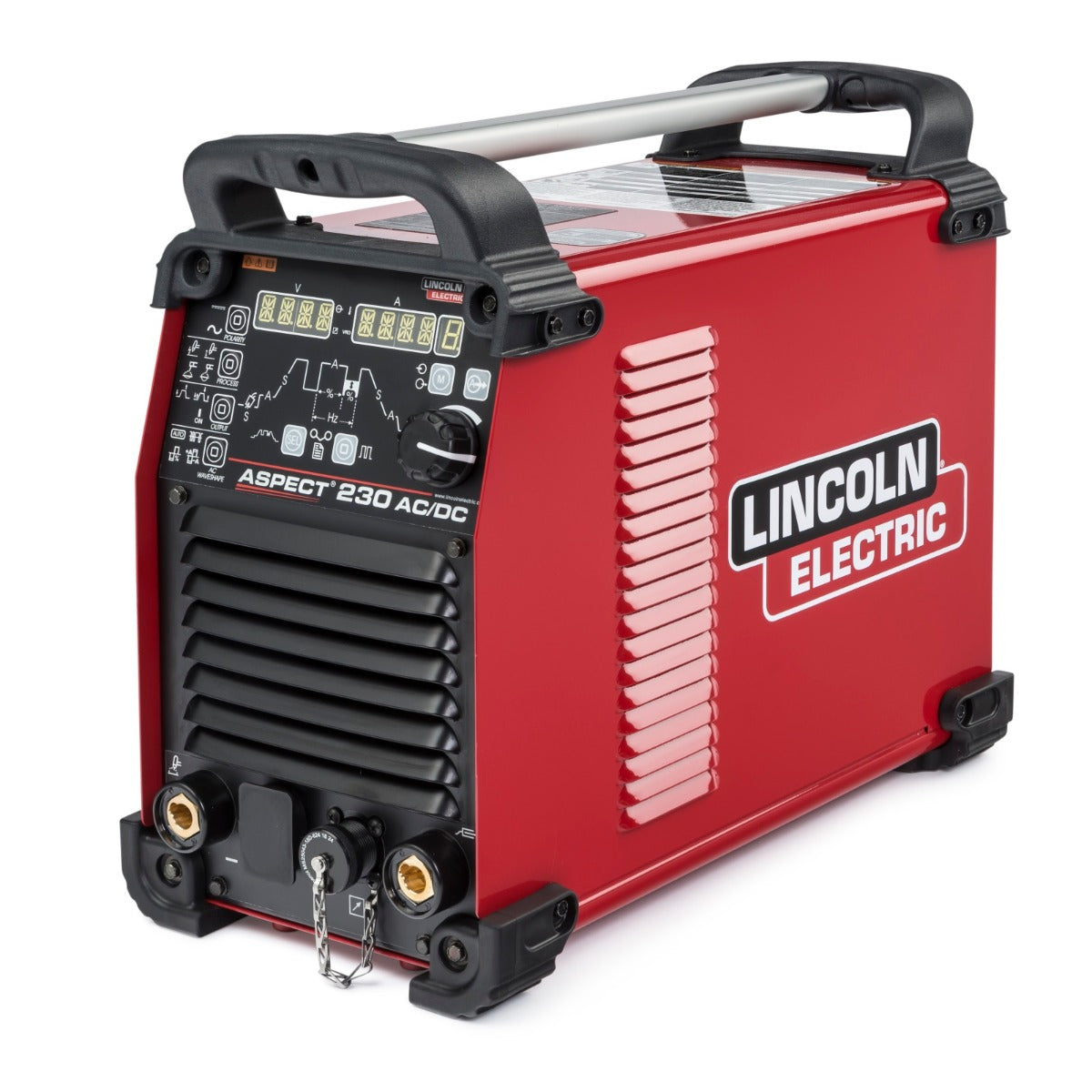
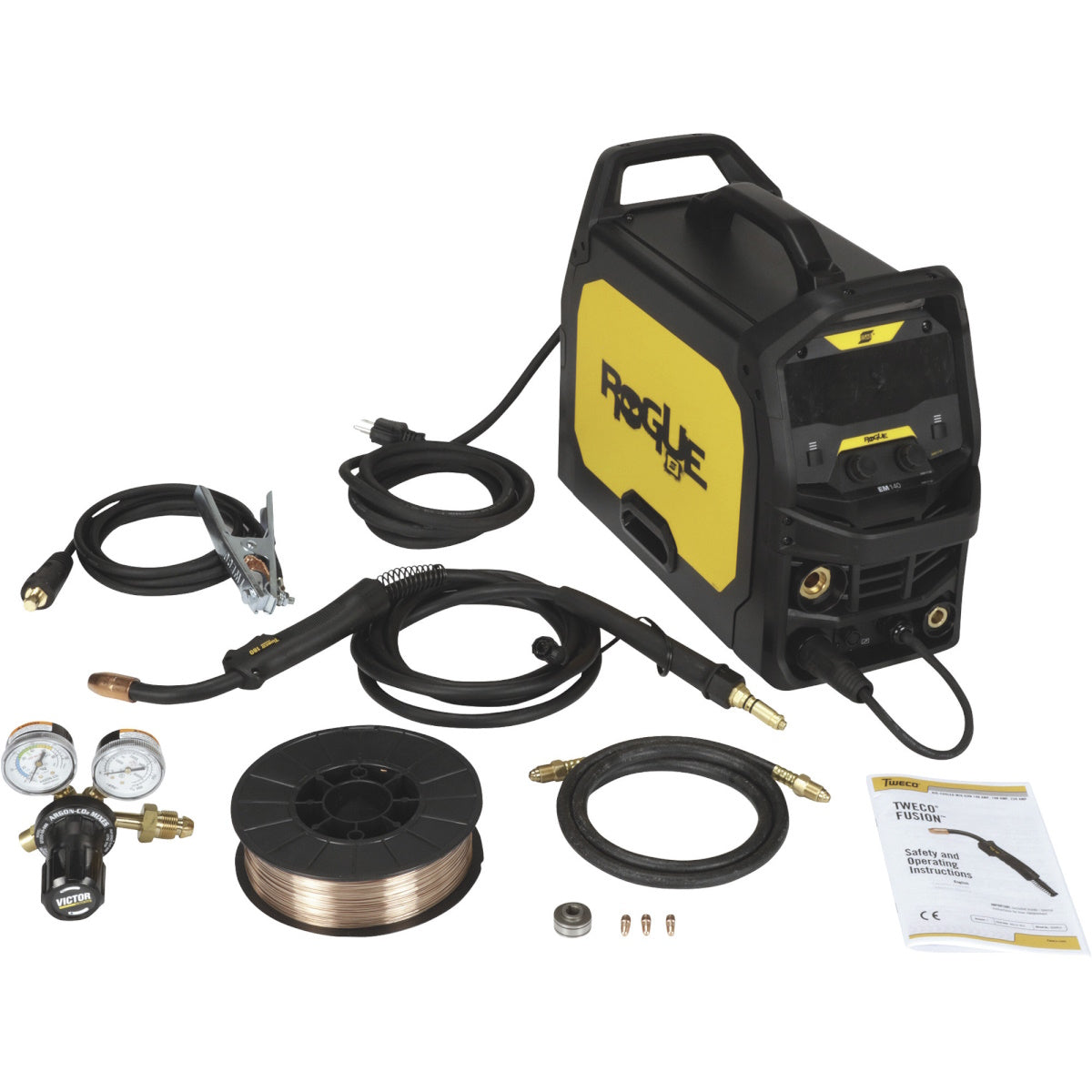


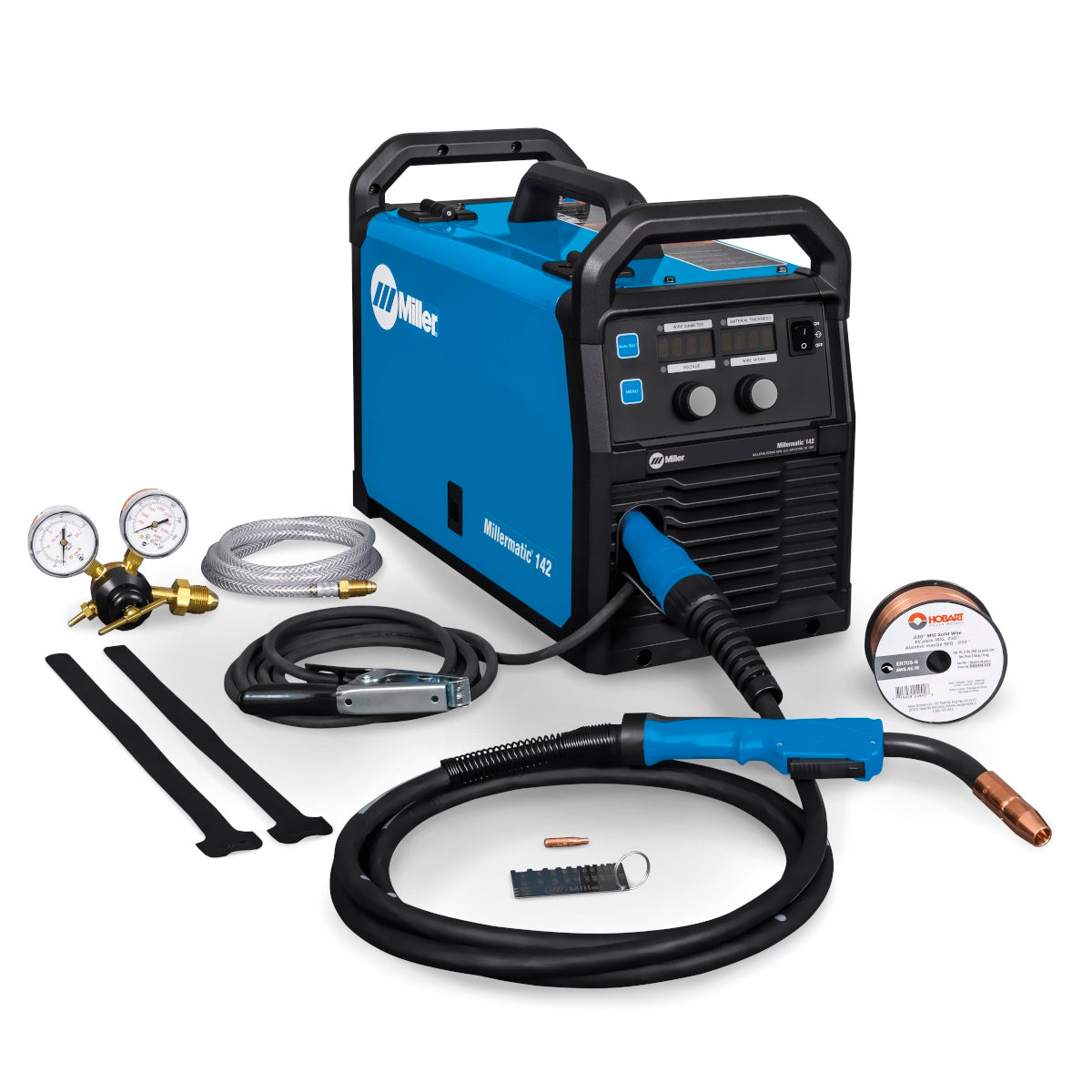
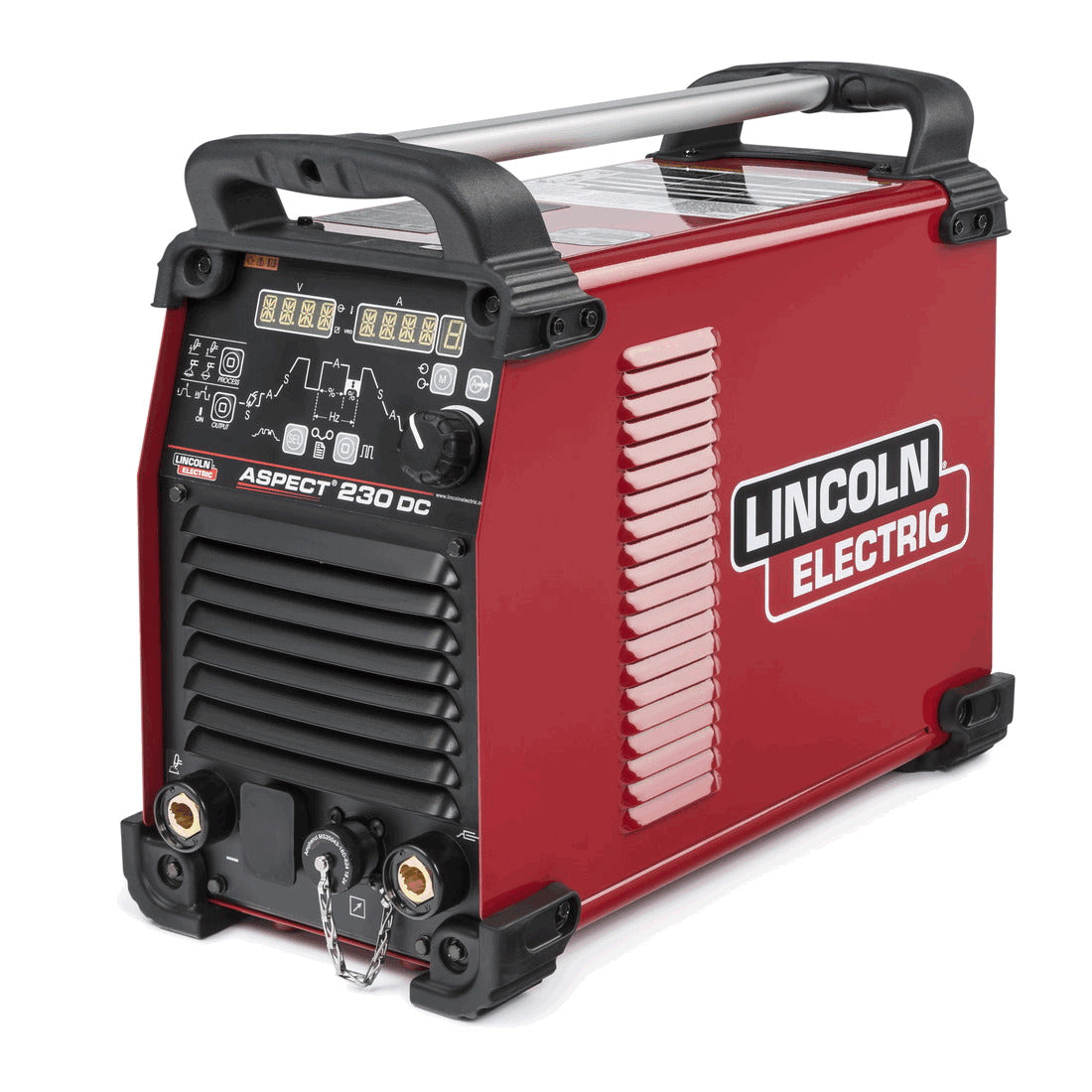


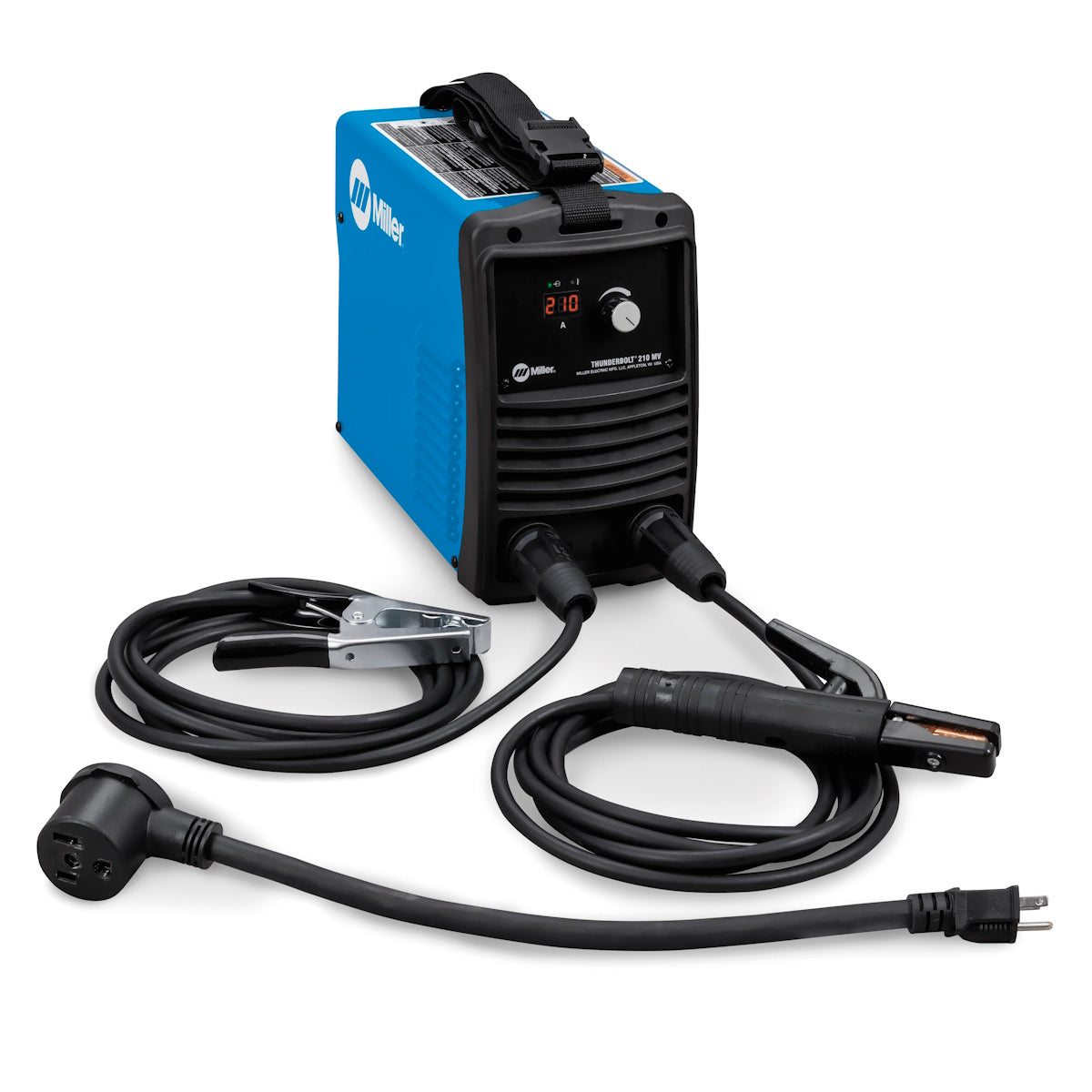


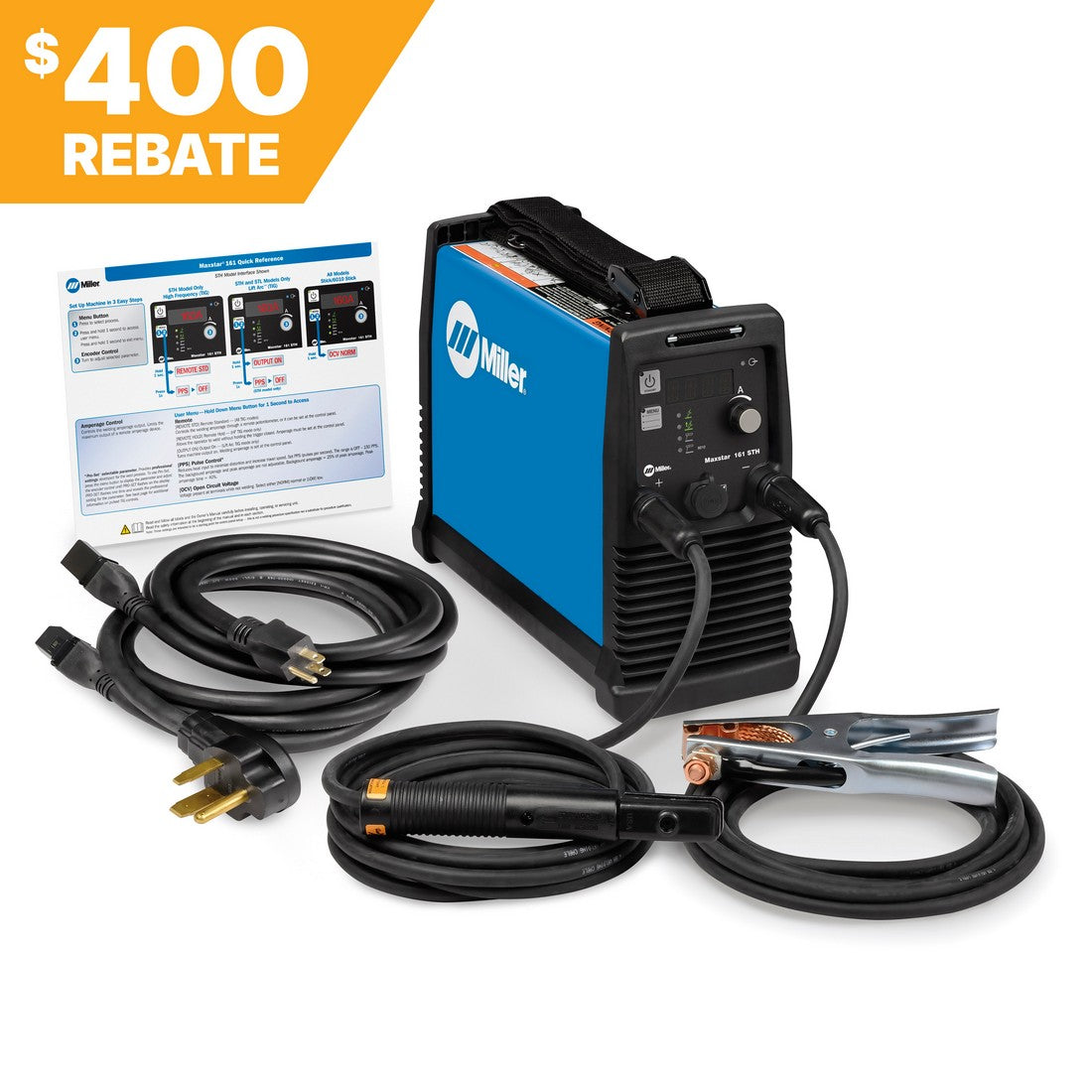


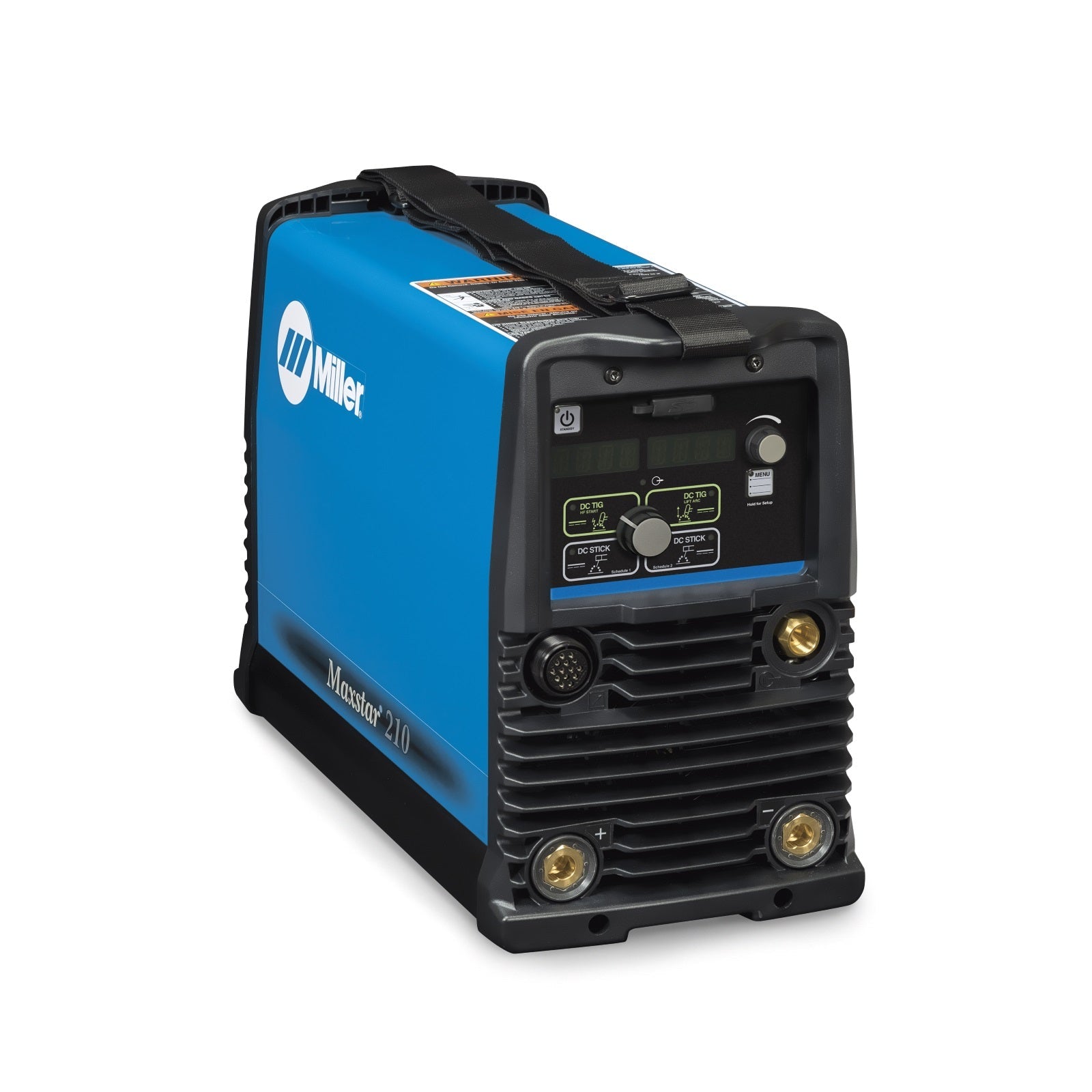
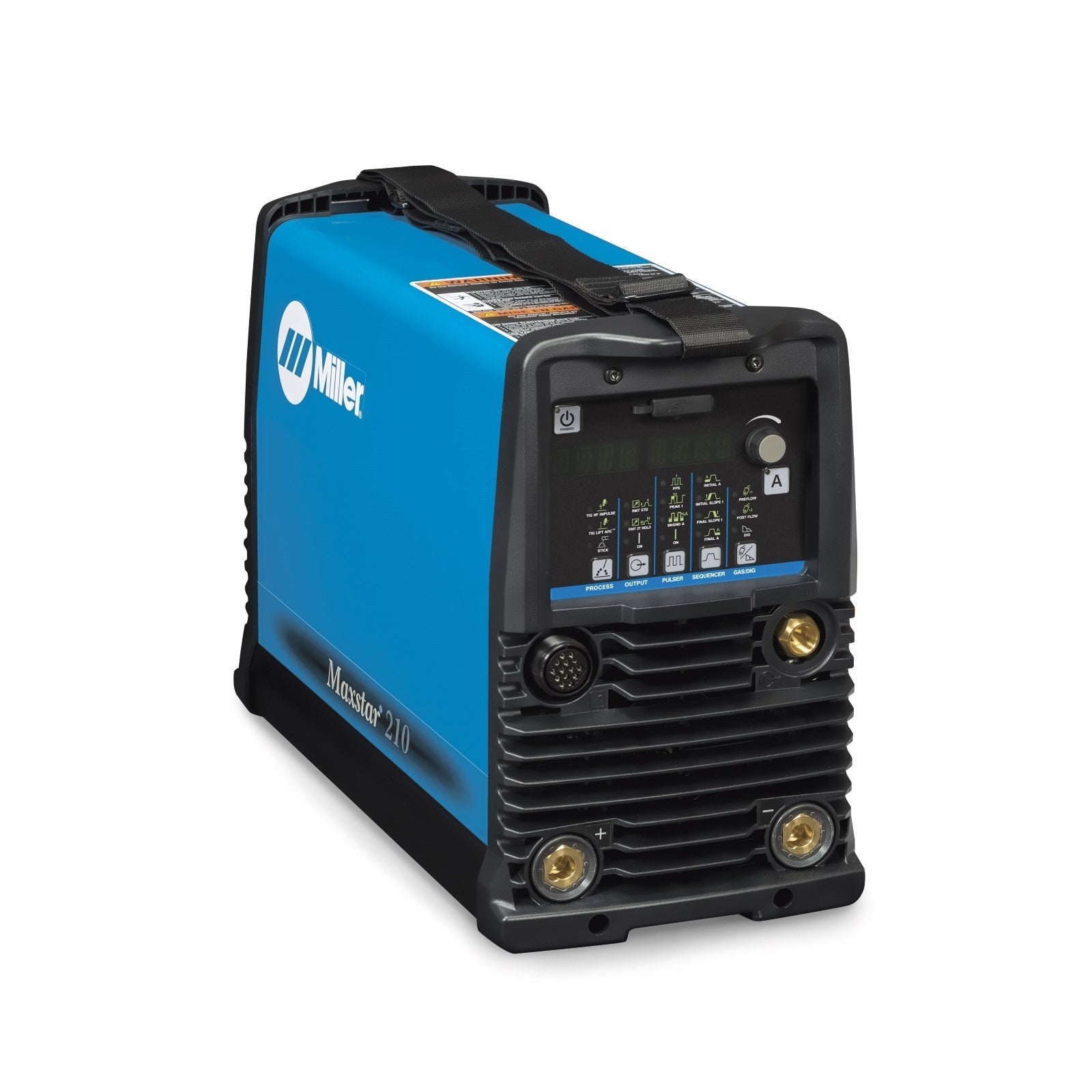
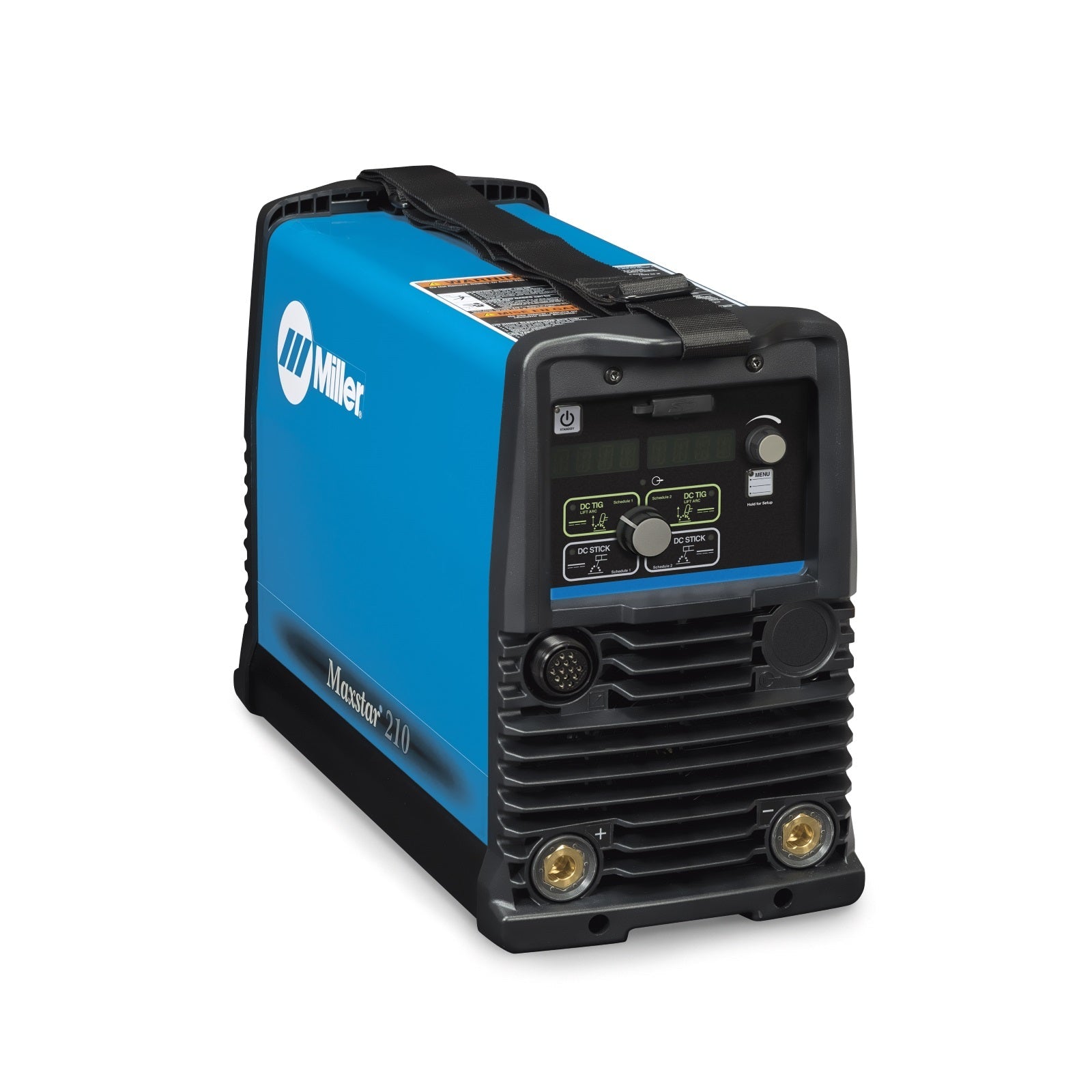
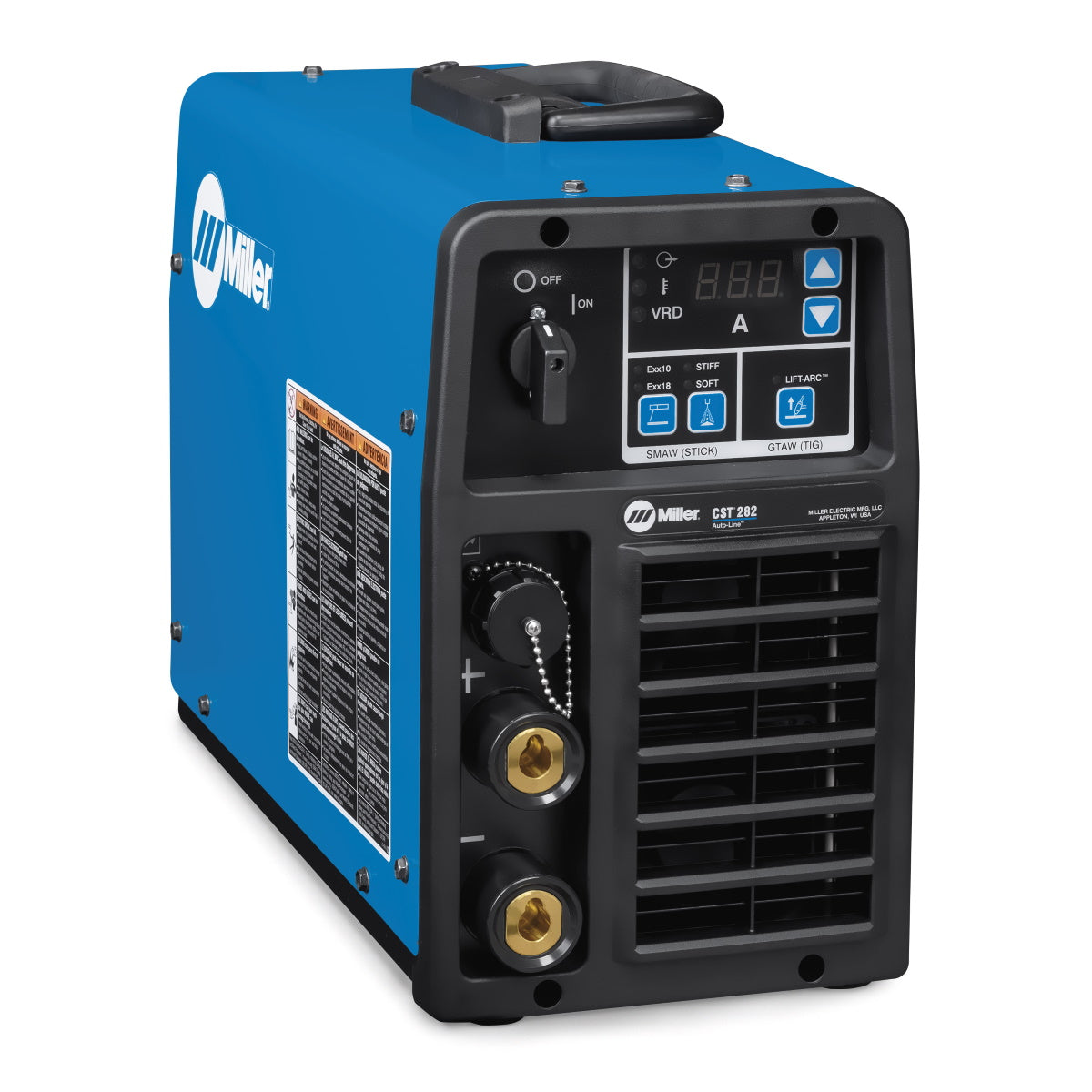
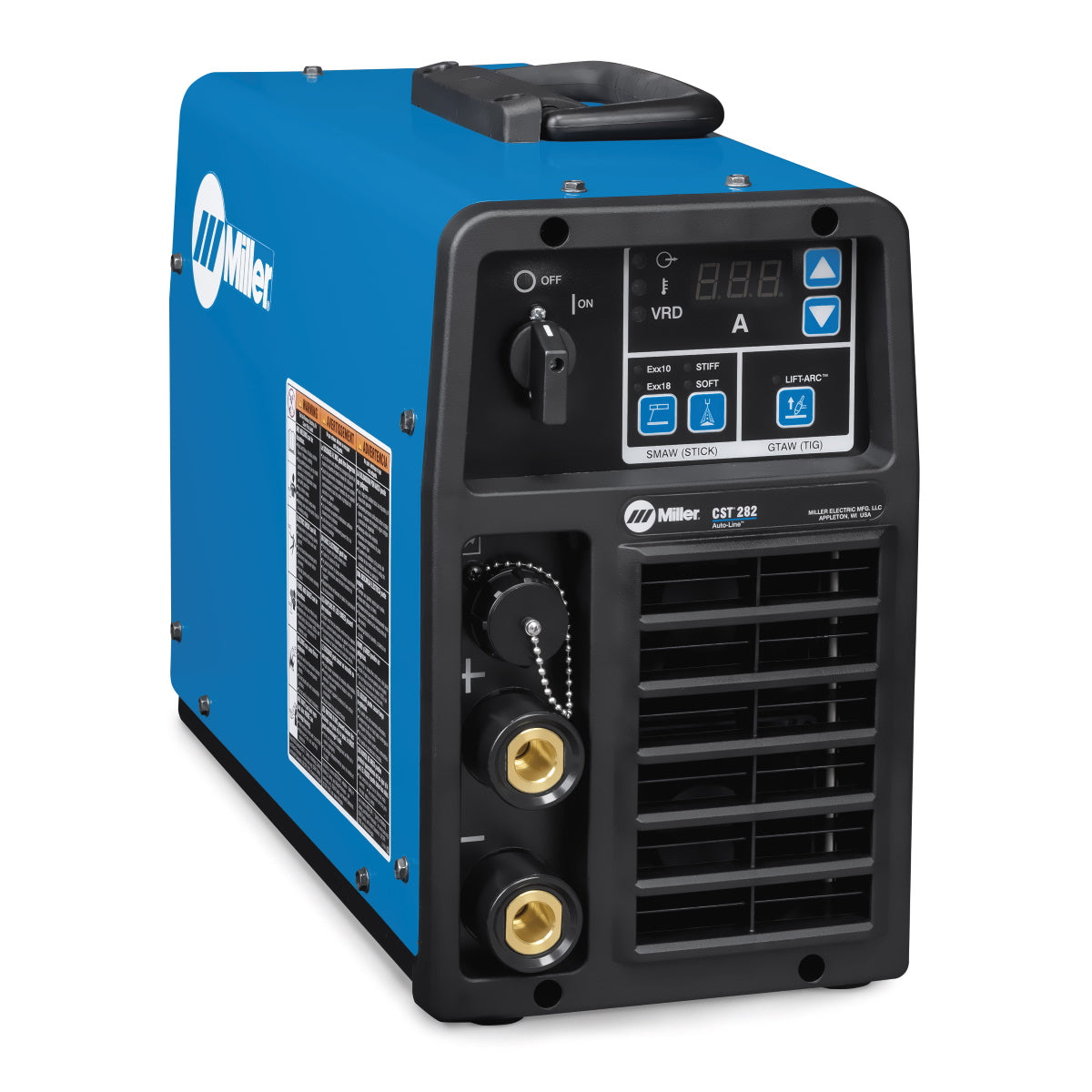
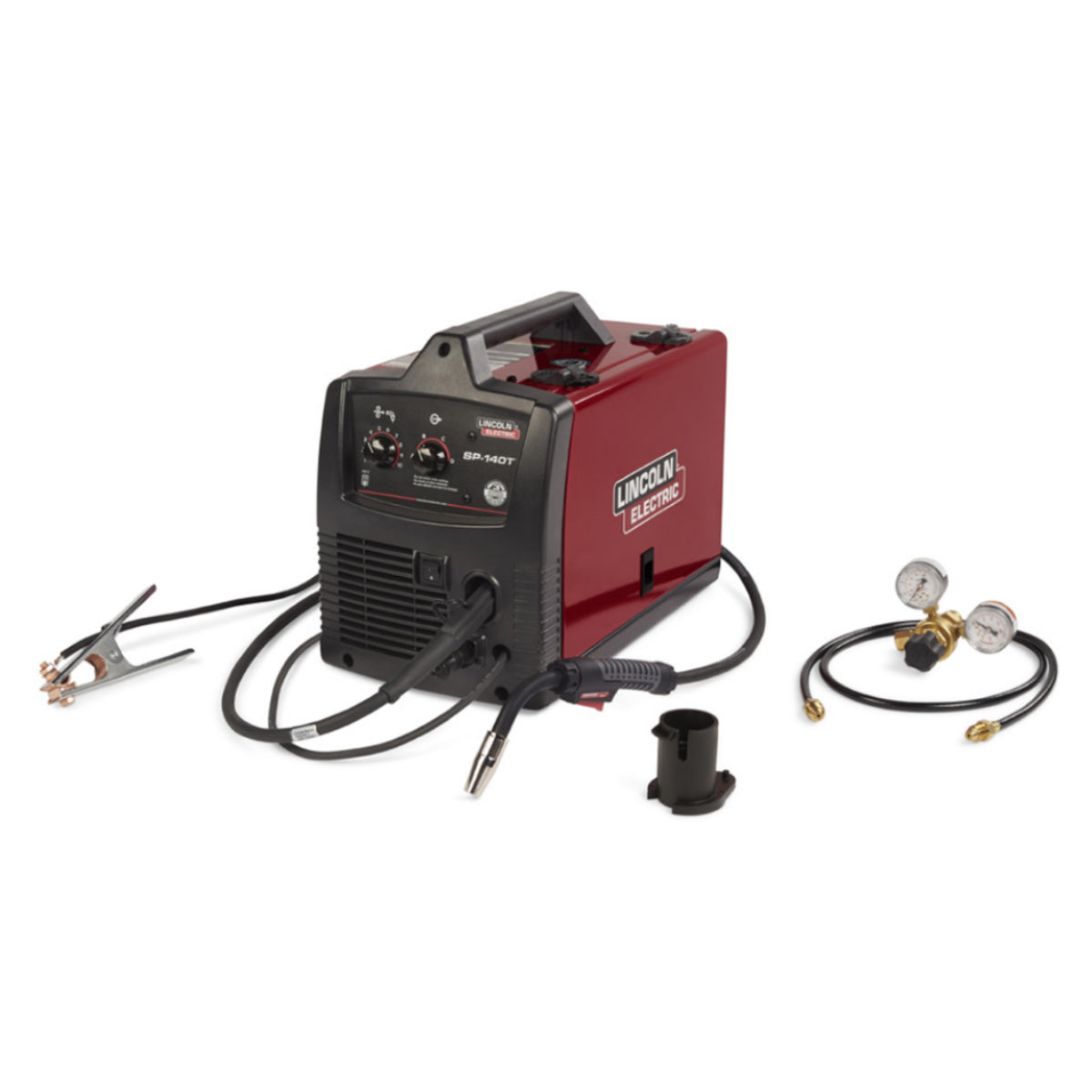
What Makes a Welder Portable?
Portability comes down to three things. First is weight: a machine you can carry up a ladder or set on a truck rail beats one that takes two people to move. Second is input-voltage flexibility, since a dual-voltage machine that runs on both 120V and 240V goes anywhere power does. Third is power tolerance, meaning whether the machine will run cleanly off a generator or a standard outlet. Add a cart or trailer and even a heavier unit becomes easy to roll from job to job.
Inverter vs Transformer Machines
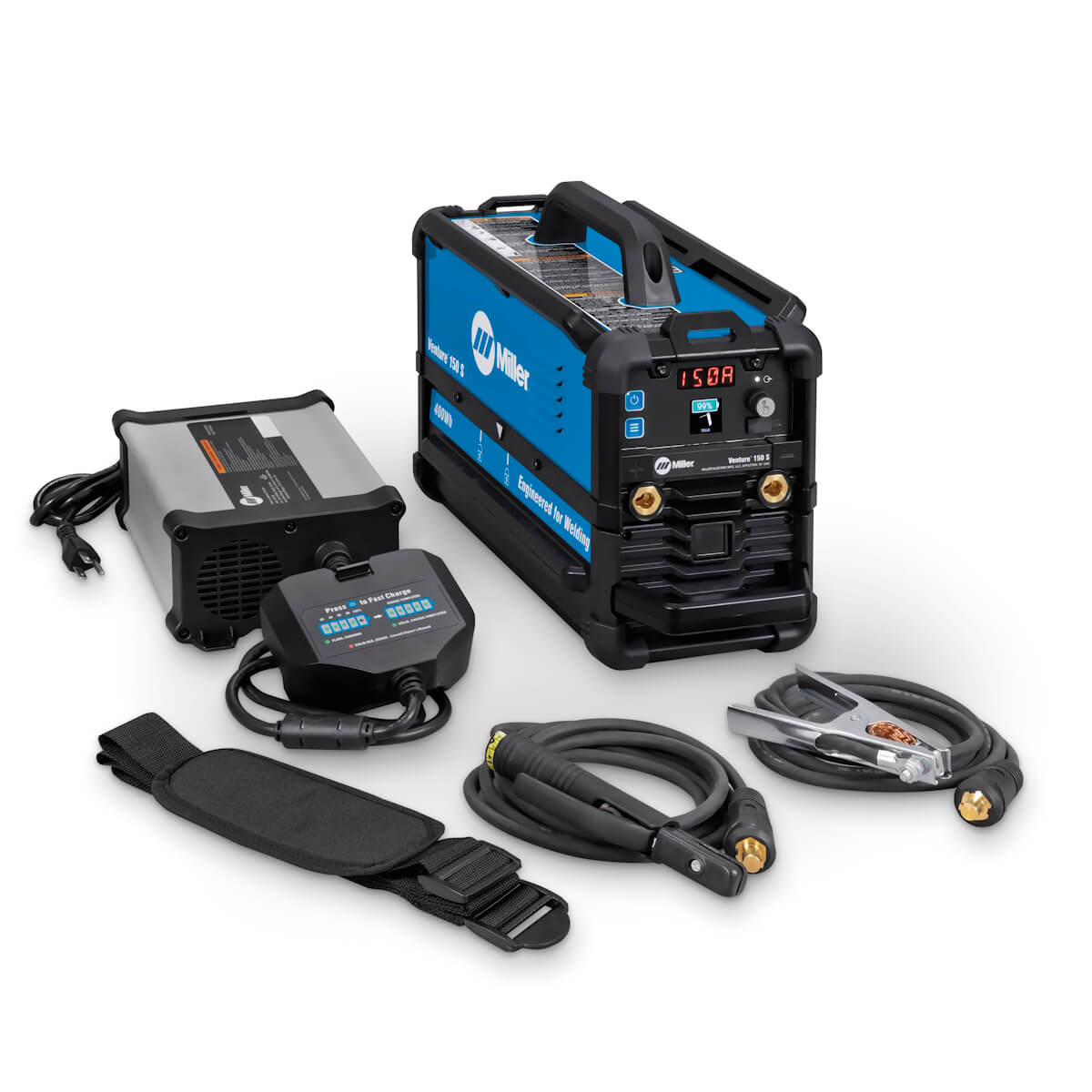
If portability matters, inverters win, and it is not close. Older transformer welders use a large, heavy transformer to step power down, which is why a shop stick machine can weigh 80 pounds or more. Inverters run that power through high-frequency electronics instead, shrinking the transformer dramatically. The result is a machine that delivers the same welding output at a fraction of the weight, often 30 to 40 pounds or less. Inverters also draw power more efficiently, so they run on smaller generators and are happier on 120V circuits. Transformer machines are simpler and very tolerant of rough power, but for a portable welder, inverter technology is the reason the category exists.
Portable MIG, TIG and Stick Options
Every major process comes in a portable package. Which one is right depends on what and where you weld:
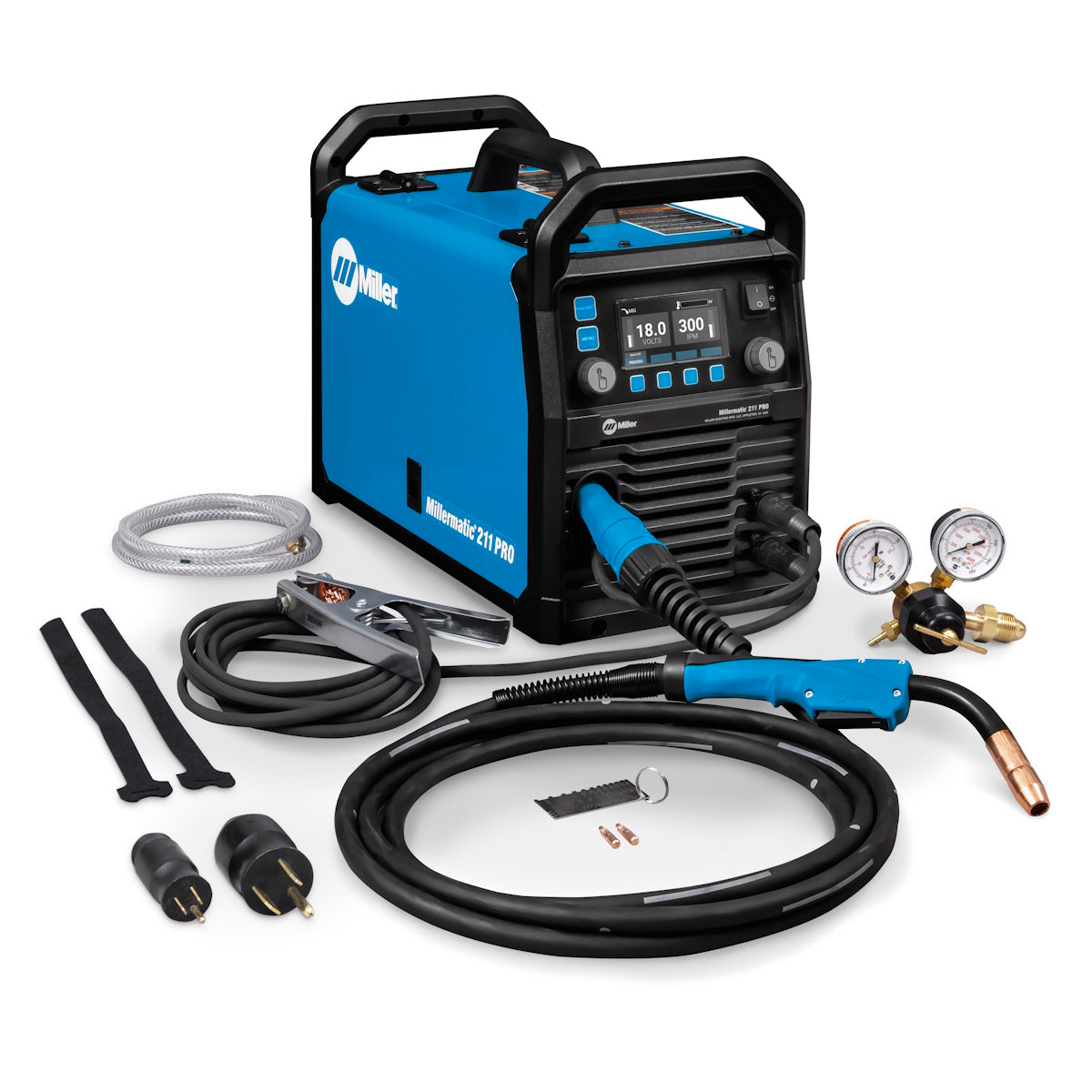
Portable MIG welder. MIG is the most popular portable choice for auto, farm, and general repair, and a dual-voltage portable MIG welder handles most of it. Look at families like the Miller Millermatic and Multimatic, the Lincoln Power MIG, the ESAB Rebel, and the Hobart Handler.
- Portable TIG. Inverter TIG machines like the Miller Maxstar and Dynasty travel well. Note that many multi-process machines run DC lift-arc TIG only, so if you need to TIG aluminum, look for a dedicated AC/DC TIG unit.
- Portable stick. Stick is the most portable process because there is no shielding gas to haul. Suitcase-sized inverter stick machines are a mobile welder's staple for field and structural work.
- Multi-process. One machine that runs MIG, TIG, and stick gives you the most flexibility out of a single case, which is why multi-process inverters are so popular with mobile welders.
Running Off a Generator or 120V Power
A portable welder is only as useful as the power you can get to it. On 120V, a portable machine runs off a standard household or jobsite outlet and handles thinner material and lighter-duty work. Step up to 240V and you get more output, thicker capacity, and a higher duty cycle, which is why dual-voltage machines are so handy: light-duty on 120V, full power on 240V. Running off a generator works too, and because inverter machines draw less power, they pair well with modest generators, just give them reasonably clean power and check the machine's manual for its requirements. If you find yourself constantly chasing power, an engine drive that makes its own may be the smarter buy.
Weight, Duty Cycle and Input Power
Weight ranges widely: suitcase inverters can run 15 to 30 pounds, portable multi-process machines land around 30 to 40, and small MIG units sit in the 40 to 50 pound range. Duty cycle is the other number that matters when you are working out of a truck. It tells you how many minutes out of every 10 you can weld before the machine needs to cool, so buy enough duty cycle that you are not standing around waiting, and remember that welding at lower amperage raises it. On input power, most portable machines are single-phase units that run on common 120V or 240V circuits, so know the amperage available where you work before you buy.
FAQs About Portable Welders
What makes a welder portable?
Three things: weight, input-voltage flexibility, and power tolerance. A portable welder is light enough to carry or roll, usually runs on both 120V and 240V, and will operate off a generator or a standard outlet. Inverter technology is what makes modern machines light enough to qualify.
Will a portable generator run a welder?
Yes, as long as it makes enough power and reasonably clean power. Portable inverter welders draw less than old transformer machines, so they pair well with modest generators. Match the voltage, give yourself wattage headroom so the generator does not bog down mid-arc, and lean toward an inverter generator for MIG, TIG, and inverter machines that prefer clean power.
How do you use a portable welding machine?
Set it where you need it, plug into the right voltage outlet or a properly sized generator, connect your ground clamp and torch or electrode holder, and select your process and settings for the material. Many portable machines have auto-set features that dial in the parameters for you. Always follow the manual and use proper protective gear.
What is the best portable welding machine for the money?
It depends on how you weld. For DIY, home, and thin-steel work, a 120V portable MIG offers the best value, start with our beginner machines. For a mobile pro who wants one machine for everything, a dual-voltage multi-process unit that runs MIG, TIG, and stick earns its price. For field and pipe work, a portable inverter stick machine is hard to beat. And if you weld off-grid all day, the real value is an engine drive rather than a portable unit.
Can a portable welder run on a household outlet?
Yes. Portable 120V welders run on a standard household outlet, which makes them ideal for repairs and lighter-duty work on thinner material. For thicker steel or a higher duty cycle, you will want a 240V circuit, and a dual-voltage machine lets you use whichever outlet is available.
How much does a portable welder weigh?
It varies by type. Suitcase-style inverter machines can weigh as little as 15 to 30 pounds, portable multi-process welders typically run 30 to 40 pounds, and small MIG machines are often 40 to 50. Inverter technology is the reason today's machines are so much lighter than the transformer welders they replaced.
What is the difference between a portable welder and an engine drive?
A portable welder is a lightweight machine you plug into an outlet or generator. An engine drive is a welder and a generator in one, powered by its own gas or diesel engine, so it needs no outside electricity at all. Choose a portable unit when power is available and weight matters, and an engine drive when you weld off-grid or all day in the field.